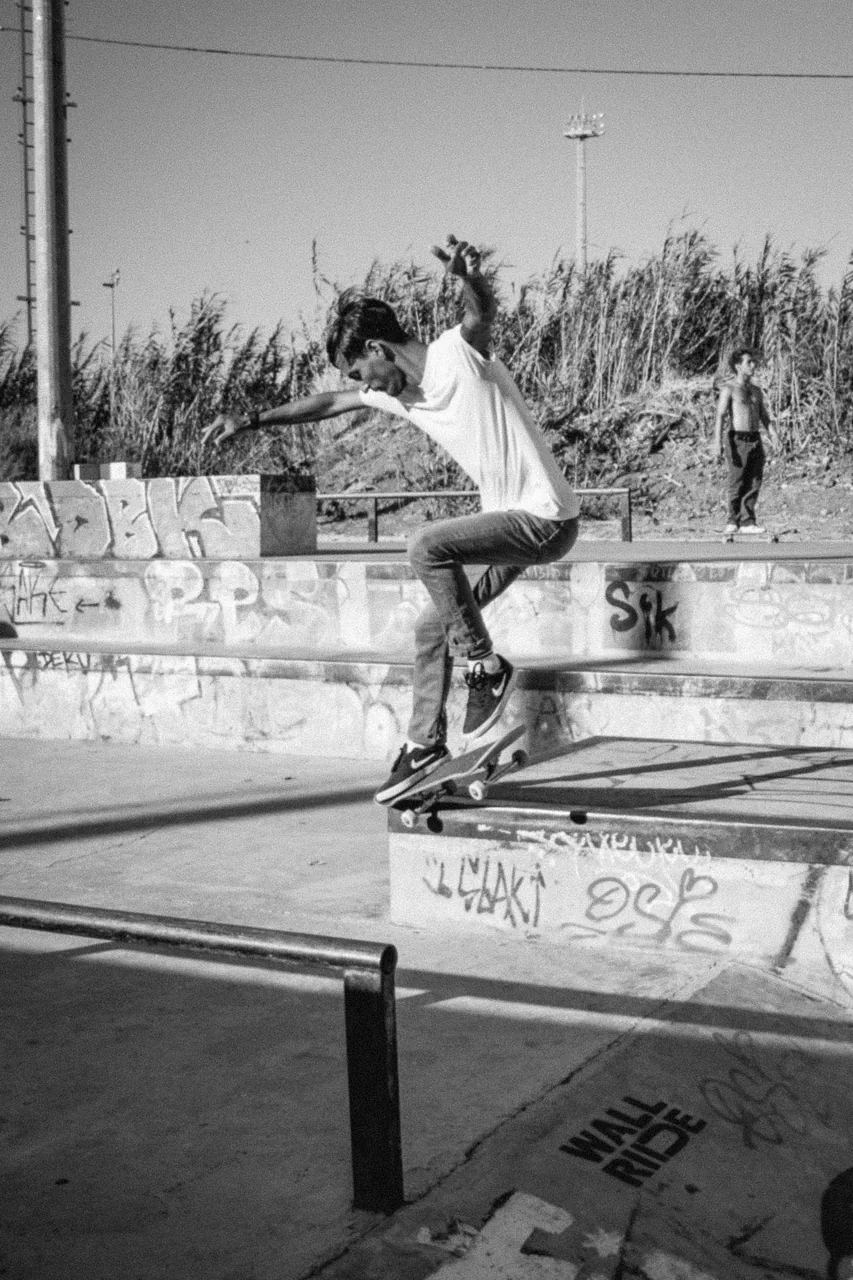
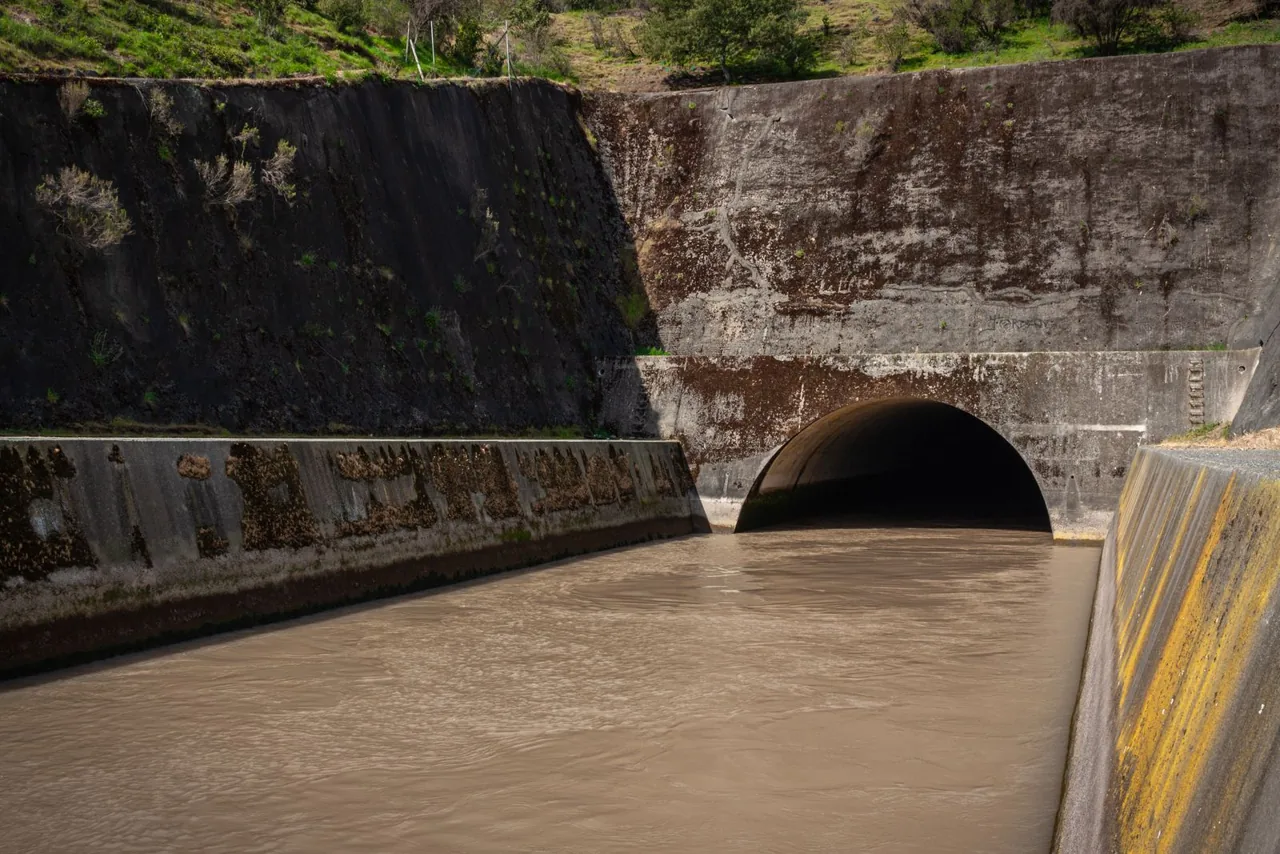
Before skateparks were ubiquitous, the drainage ditch was the ultimate training ground. It is raw, imperfect, and usually illegal. In 2026, finding a virgin ditch is like striking gold, but it requires a specific set of eyes and a dedicated cleaning kit.
Scouting via Satellite
The modern ditch hunter doesn't just drive around aimlessly; they use satellite imagery. Look for the grey veins running behind strip malls and industrial parks. You are looking for concrete flood channels that feed into larger river systems. The key indicator is "bank angle." Vertical walls are useless. You need the 45-degree slope that indicates a rideable bank. If you see graffiti in the satellite view, someone has likely already skated it — or the bust factor is high.
The Bondo Protocol
Nature hates smooth concrete. Over time, drainage ditches develop "seams" — cracks where the slabs meet. These are the enemy of the 52mm wheel. Your kit should always include a gallon of Bondo (automotive body filler), a plastic spreader, and a rasp.
- Clean: Sweep the crack thoroughly. Dirt prevents adhesion.
- Fill: Overfill the crack slightly with Bondo. It shrinks as it cures.
- Shape: While it's "cheesy" (half-cured), shave it flush with your rasp.
- Ride: Bondo cures in 20 minutes. It's the fastest way to turn a death crack into a smooth roller.
The Ecosystem of the Spot
Respect the spot. If the ditch is behind a residential area, keep the noise down. If it's full of trash, clean it up — even if it's not your trash. Security guards and police are far more lenient when they see a broom in your hand rather than a spray can. We are here to skate, not to destroy.